
Taylor Swift is Right: Nonchalance is Overrated
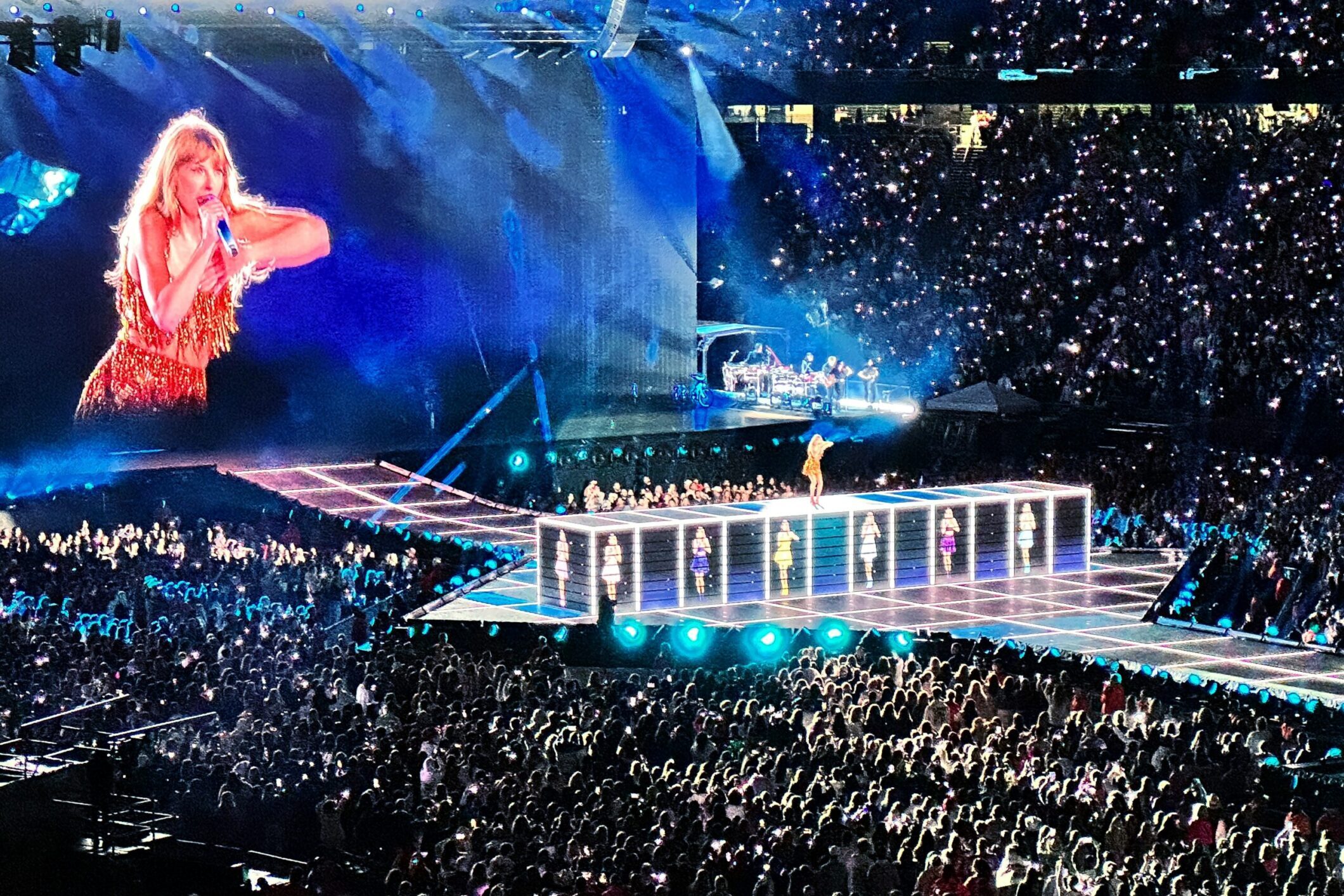
This past weekend, I took my kiddos to see Taylor Swift: The Official Release Party of a Showgirl, and I’ve been thinking about sincerity ever since.
Throughout the film, Taylor describes an increasing preference for sincerity, and specifically a rejection of nonchalance as her priority. She emphasizes the role of sincerity in supporting a new level of satisfaction, and love, in her life.
Sincerity is the act of aligning your outside with your inside, even when it’s risky and even when it’s uncomfortable. It means feeling willing to tolerate the disagreement or rejection of others in pursuit of what matters most.
We’re living through an era of emotional minimalism — where the goal isn’t to feel deeply, but to appear balanced, unbothered, “low maintenance.” The cultural script rewards detachment: don’t want too much, don’t need too much, don’t feel too much.
Over the past 6 months, clients have increasingly noted that expressing emotions, particularly connection-related emotions, feels “awkward,” “cringe” or “not nonchalant.” They describe that building friendships and dating is a dance of seeking connection while simultaneously showing that you don’t necessarily care.
And yet, in Showgirl, Taylor Swift unabashedly flips this script. She embraces sincerity as art form. Sincerity as rebellion against indifference, and a full-throated bet on enthusiasm, gratitude, love and extremely passionate hard work.
The Risk of Caring
Sincerity is inherently risky. To be sincere is to expose your interior life; to declare what you love, what you long for, what you hope for.
It’s much safer to hover behind irony or coolness. Nonchalance is emotional armor; sincerity is emotional exposure. But as a psychologist, I see that what makes life meaningful also makes it risky. You can’t have connection without vulnerability, growth without uncertainty, or love without the possibility of loss.
Taylor names this experience specifically in Showgirl, as she describes the song “Ruin the Friendship”, in which she explores what may have been had she risked expressing romantic feelings to her friendly crush in high school. She shares in the film a wish to have had the courage to risk feeling vulnerable for what may be a deeply meaningful relationship. She recalls these memories as a comparison with her hard-earned willingness to take risks for her goals and values, including love.
It is important to note here that I am aware that this post reflects on the sincerity described in a multimillion dollar film by one of the most successful artists in human history. I in no way assume that we are privy to Taylor Swift’s most vulnerable expressions. What I was struck by, however, when watching this film, was the emphasis on taking the risk of expressing your care, and that in the current culture of social media and dating apps, this type of expression is ever more rare…and consequentially can feel even more risky.
The Trap of Emotional Minimalism
Emotional minimalism tells us that less is more — less emotion, less complexity, less need. But “less” doesn’t always mean genuine, and it doesn’t necessarily lead to satisfaction. Clients have often described recently a feeling of detachment and disinterest that pervades their Instagram and TikTok feeds. If you’ve ever caught yourself softening your enthusiasm to avoid awkward, you already know the quiet cost of emotional minimalism.
We’ve mistaken self-containment for self-mastery. We conflate suppression with strength. Living a full, satisfying life isn’t about rejecting feeling or avoiding cringe, it’s about mastering your awareness of your preferences and emotions and then ensuring your actions are intentional, rather than reactive, regardless of how you feel.
True psychological maturity isn’t about neutralizing emotion; it’s about tolerating and integrating it. To know what you feel, to name what you need, to express what you want, and pursue what matters — that’s sincerity. And it’s the foundation of life satisfaction, and it can be scary as hell.
Sincerity as Alignment
When sincerity is practiced well, it’s not out of control, it’s not venting and it’s not putting emotions in the driver’s seat. Rather, it’s the alignment of expression with a deep knowledge of self. It’s knowing your preferences and your values and pursuing both, recognizing that others may or may not disagree…which is absolutely fine with you.
The cost of living a sincere life is courage, the risk of others disagreeing, and the risk of them not feeling the same level of enthusiasm, longing or love. However, it can be hard to imagine a satisfying, deeply meaningful life without sincerity, as the bonds forged from nonchalance and emotional minimalism are likely to be brittle.
In that sense, Showgirl isn’t just a performance; it’s a philosophy. It insists that caring — publicly, passionately, without irony — is an act of strength.
Maybe that’s the invitation we’re being offered right now: to move from the aesthetics of detachment toward the practice of sincerity. To risk being known, and conversely, to risk being curious and knowing others deeply. To want things openly. To stop mistaking emotional minimalism for connection or calm.
Because, as Taylor has been willing to show us for years, what’s truly valuable in life — love, connection, creativity, purpose — is always risky.